

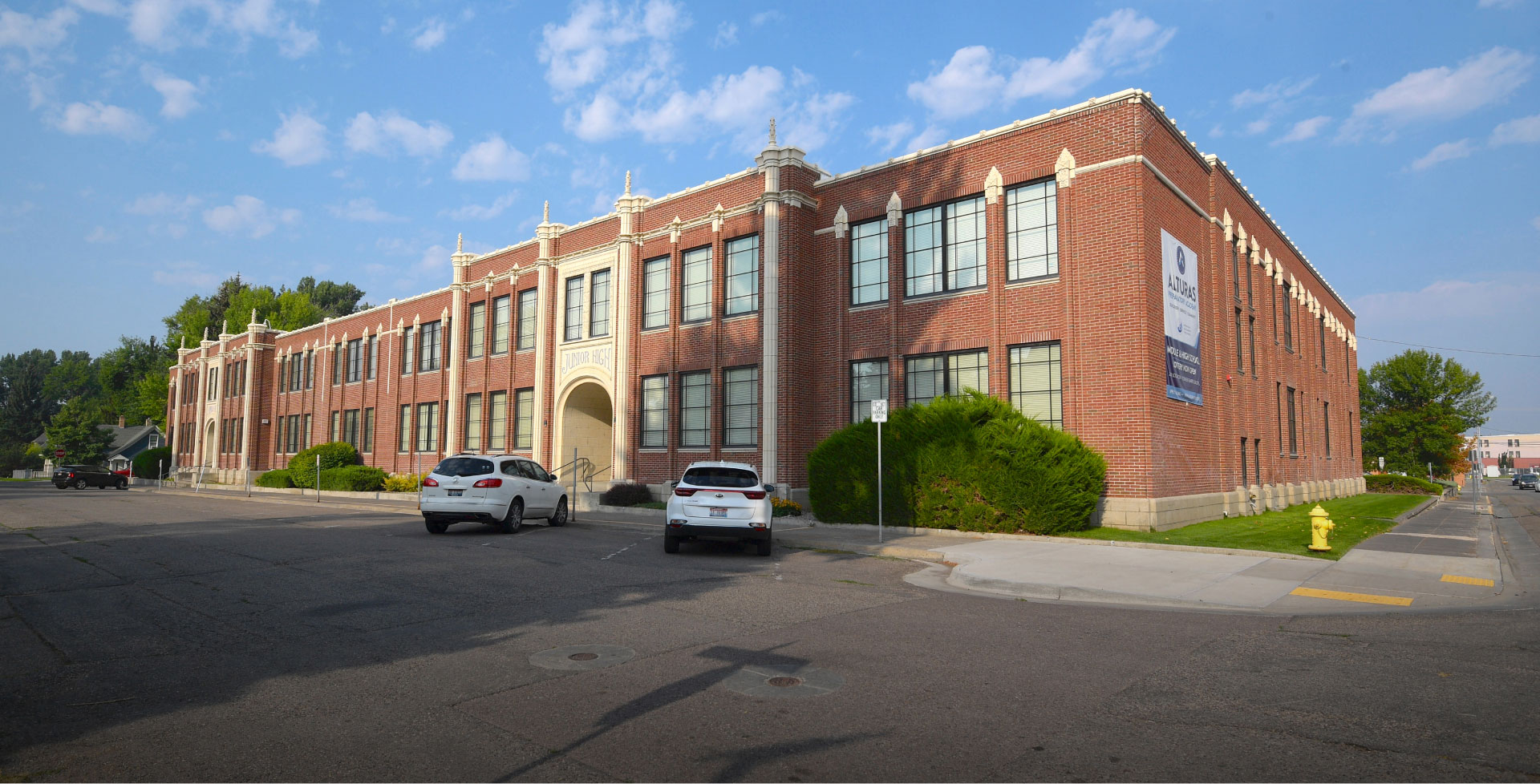
A state or community leader – maybe a policy-maker or a local family foundation – has a bold vision for public education involving a significant expansion of choice options for students and parents across the state. But bringing that vision to life isn’t easy. New charter founders often need operational help navigating the complexities of the application and start-up process. Also, those new choice seats require new facilities – and a lot of capital to finance their construction – but lenders are often deterred by the risk of investing in an unproven startup charter school.
Realizing those audacious goals requires meaningful collaboration, combining creative investment vehicles with expertise and boots-on-the-ground support to expand choice options one facility at a time.
In 2013, the J.A. and Kathryn Albertson Family Foundation (JKAF or the Foundation) had an ambitious goal: to add 20,000 high-quality school seats across the state in 10 years. However, overcrowding in the state’s existing schools and a lack of suitable facilities posed a serious challenge to meeting that goal. Moreover, while JKAF’s ambition was on expanding quality options regardless of the type of school (e.g., district schools, charter schools, private schools), much of the growth in quality seats would come from new charter schools that have few, if any options, when it comes to securing financing for their facility needs.
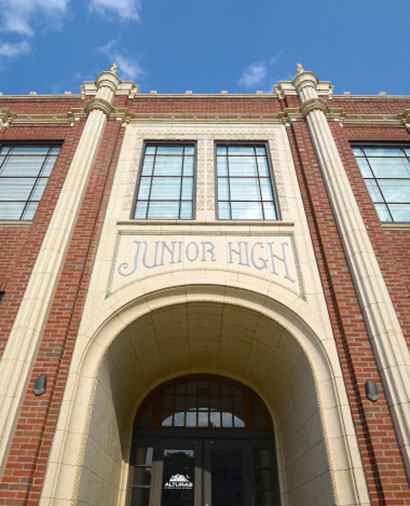
Facility financing for new charter schools – which can present a significant risk to lenders –is a persistent challenge in Idaho and across the country. Established charter schools and networks with consistent, recurring revenues can go to the bond market to access low-cost capital. Philanthropies that have stepped in to support the development of charter facilities often finance those efforts to a point, perhaps up to 90% of the total facility costs, but that remaining gap could still be prohibitive to a new school that hasn’t even opened its doors or possibly received its charter. Simply put, to meet the ambitious target of adding 20,000 high-quality seats in 10 years, JKAF knew that charter schools in Idaho would need access to low-cost, flexible capital and real estate expertise that was not available at the time.
This is where JKAF was able to step in. The organization had experience navigating high-risk real estate development efforts and could provide access to low-cost, flexible capital to develop the necessary new facilities. However, JKAF needed a partner who could help manage the investment and provide technical support to charter schools – and other school leaders who would have access to the fund. The Foundation turned to Building Hope – a Community Development Financing Institution – to lead the work of managing and underwriting the investments to eligible charter schools and providing the technical support needed to achieve the fund’s objectives. JKAF also brought in another partner, Bluum, a Boise-based non-profit that incubates and supports new charter schools that helped identify and work with charter founders, school districts, and other eligible programs that could benefit from the fund.
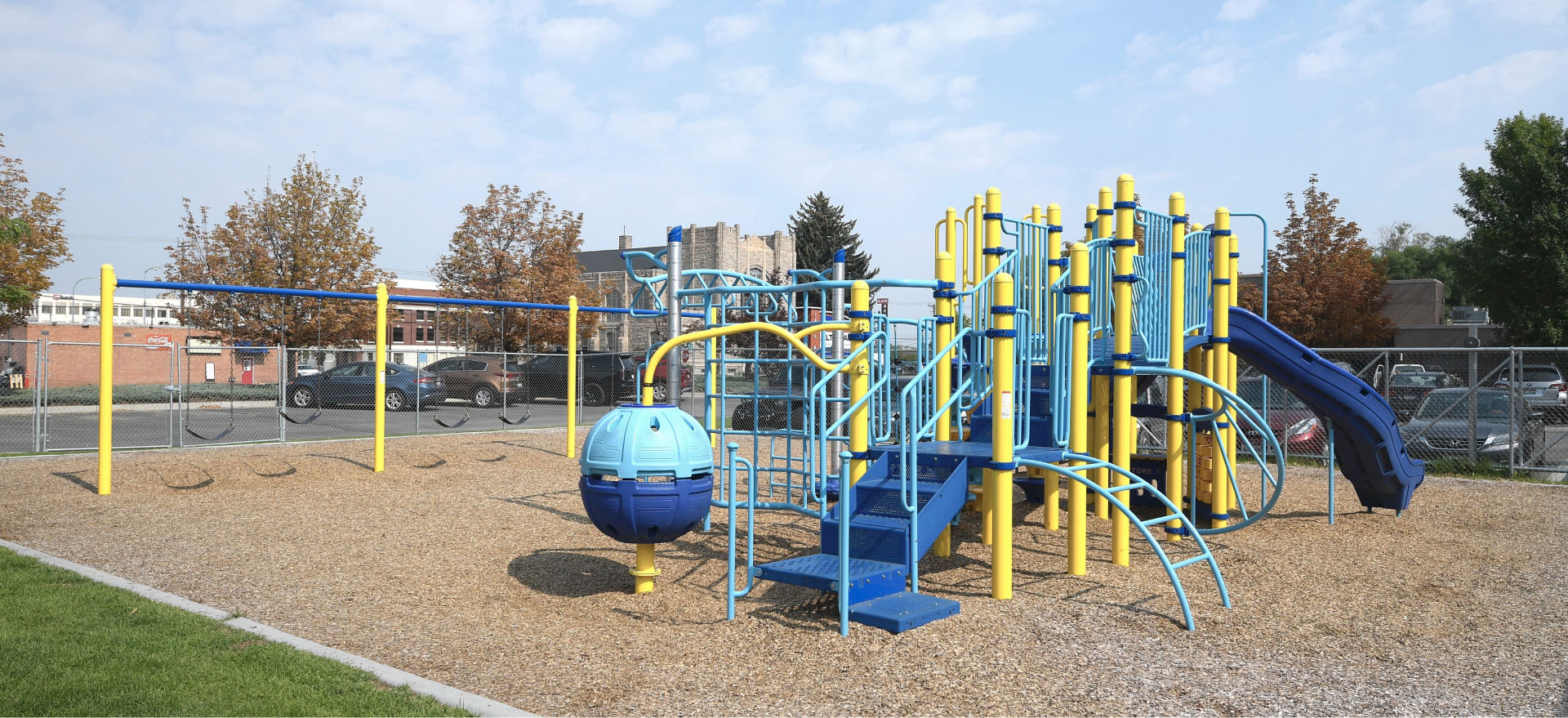
To finance the charter school facility development efforts, JKAF established a program-related investment fund with Building Hope, which over the course of the ensuing decade deployed $33.6M in capital to underwrite higher-risk loans to eligible charter schools. To help the charter schools deploy those funds, the Building Hope team also stepped in to fill a gap by providing technical support to charter schools and hiring a local team that could provide in-the-field support related to facility financing, development, and project management.
Building Hope worked with Bluum and JKAF to develop a lending process that ensured schools that were likely to be high-performing schools received the necessary support from the initial application to the final loan closing. Charter school founders, many of whom had not yet received final approval for their charter, would apply directly to Building Hope, seeking financial assistance for their construction projects. For projects that satisfied the funds criteria, Building Hope would leverage the JKAF fund to underwrite up to 35% of the project costs at a 3% interest rate to encourage traditional lending institutions – like banks – to fund the remaining balance of the project’s costs.
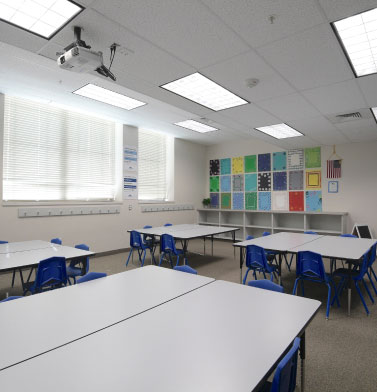
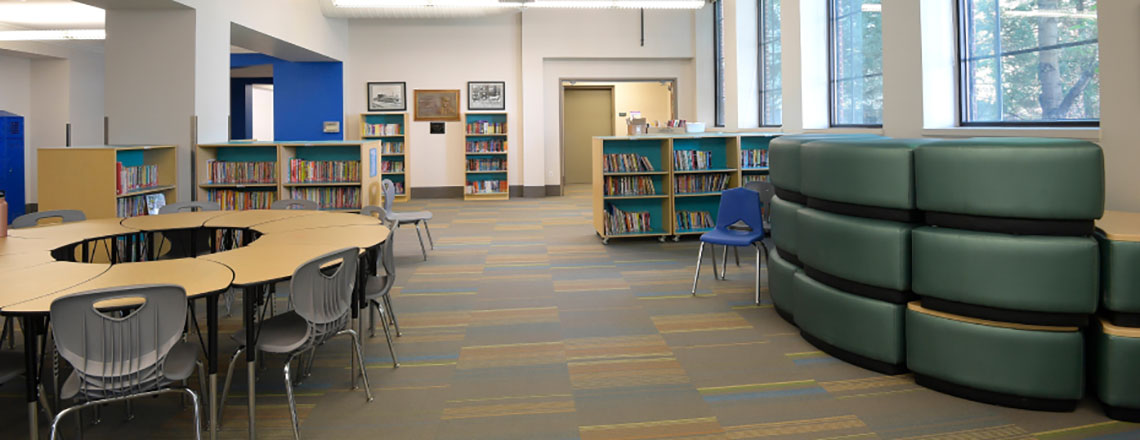
The deals were structured so that schools would earn equity in the building after five years and be in a position to access other funding sources to repay the initial loan to Building Hope. Building Hope would then redeploy those funds for another project.
Since 2014, Building Hope has managed JKAF’s investment, underwriting and deploying over $49M to aid charter facility projects, with a remarkable record of 100% on-time payments and continued successful operations for all school borrowers. Along the way, the partners developed a process for schools that faced a funding gap between the initial site search and approval for project funding. The Pre-Development Loan process bridged this gap by providing schools with the necessary upfront capital—often up to $150,000 or more—to begin their development efforts without delay. This initiative ensures that schools have the financial support they need during the early stages of their facility projects, enabling smoother progress toward their long-term goals.
Driven by a shared commitment to putting school leaders, families, and students first while finding cost-effective solutions to constructing school buildings that reflect local needs and culture, the partnership between JKAF, Building Hope, and Bluum delivered unprecedented outcomes for charter schools in Idaho.
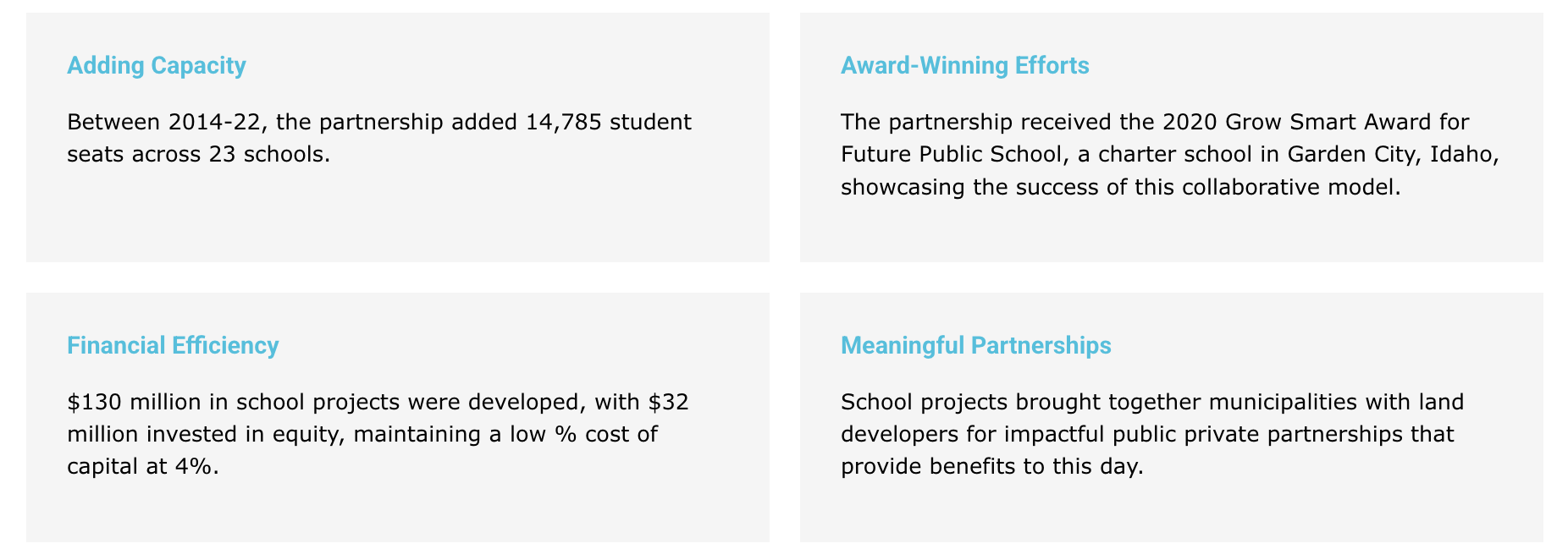
For over a decade, the partnership between JKAF, Building Hope, and Bluum has significantly enhanced the educational opportunities for thousands of students across Idaho, offering them access to innovative and tailored learning environments. In 2023, the work was further assisted by the state of Idaho, creating a $50M fund to help new charter schools obtain loans at lower interest rates. As the Idaho charter landscape grows, this partnership is a testament to the power of strategic investment and collaboration in pursuing educational excellence.
As we know from our work across the country, every state is unique, creating its own set of opportunities and challenges when it comes to efforts to develop more quality choice options for families and students. The partnership between JKAF, Building Hope, and Bluum to support charter growth in Idaho considered those local nuances, ultimately leading to its success. Yet, critical lessons from the Idaho story can help similar efforts regardless of state or region.
.png)
.png)
.png)
.png)
.png)
.png)