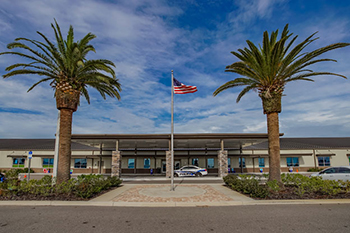
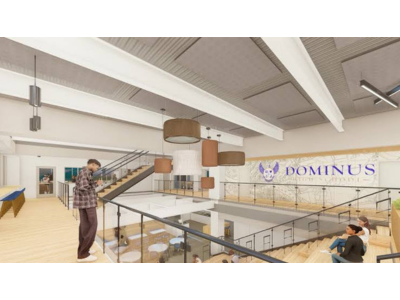
Navigator Academy of Leadership Davenport, in Davenport, FL, partnered with the Building Hope Services team to successfully refinance $16.6 million in Series 2021 Bonds. These funds were originally used to acquire a 60,300-square-foot facility on 14 acres. The refinancing also supports the construction of a new 54,000-square-foot high school building. The new, two-story facility will accommodate 1,000 students, featuring 55 classrooms, a gymnasium, and other amenities, on 4.9 acres adjacent to the current K-8 campus. The funds will also cover capitalized interest, a debt service reserve fund, and issuance costs.

Bond refinancing in charter school financing involves replacing an existing bond with a new one, typically to secure more favorable terms. Charter schools often use bonds to fund capital projects, like building or renovating facilities. Over time, interest rates or the school’s financial situation may improve, making it advantageous to refinance. By refinancing, schools can reduce interest costs, extend repayment periods, or free up funds for other operational needs, ultimately strengthening financial stability and supporting long-term growth. This process, however, requires careful assessment to ensure savings outweigh the costs of issuing new bonds.




Charter schools can use tax-exempt bonds to fund capital projects, which can be a better option than traditional financing:
In order to achieve higher credit ratings and lower interest rates, many charter schools have utilized credit enhancement to further secure their bond offerings. Credit enhancement can involve the substitution of a stronger third party’s credit, other full or partial guarantees of repayment, or funding of specific collateral pledged for repayment, such as additional reserves.
If you want to learn more about Building Hope or Bond Financing, contact us at info@bhope.org


.png)

.png)
.png)
.png)
.png)